Source Battery Holder Solutions for Solar, Electric, and UPS Systems
Source battery holder options for solar chargers, electric vehicles, and UPS applications. Compare 30 listings featuring lithium-ion, lead-acid, and Li-Polymer types with various certifications and charging principles to find the right fit for your project; compare the available evidence and request quotations based on your requirements.
Key considerations
Products List


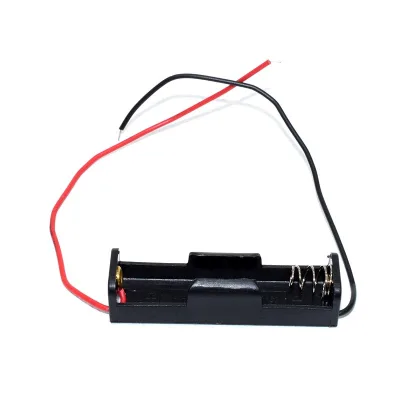
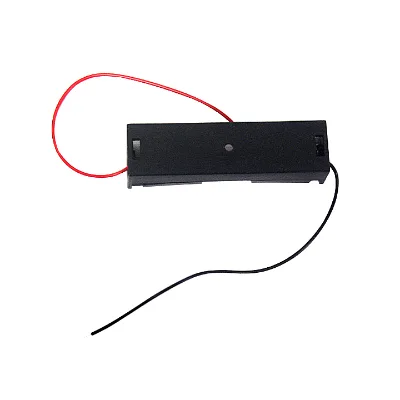
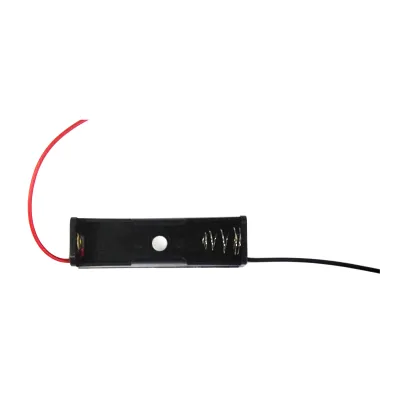
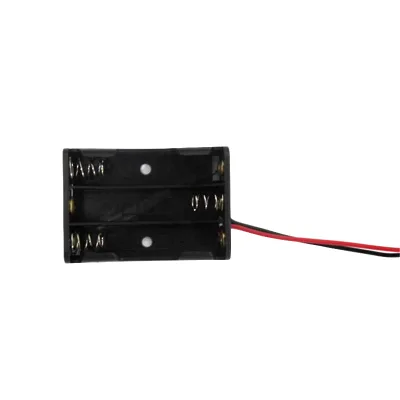


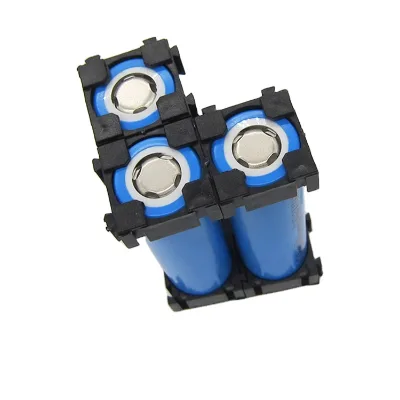


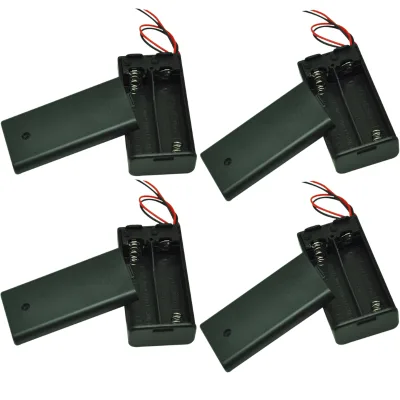
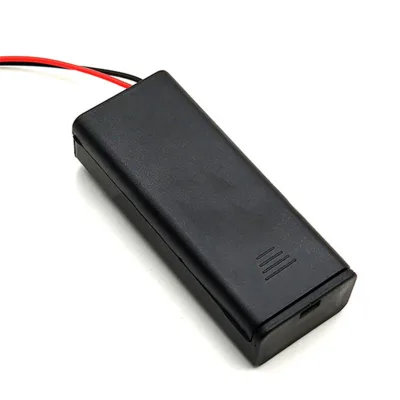
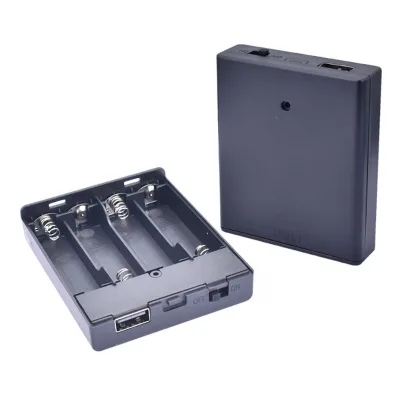
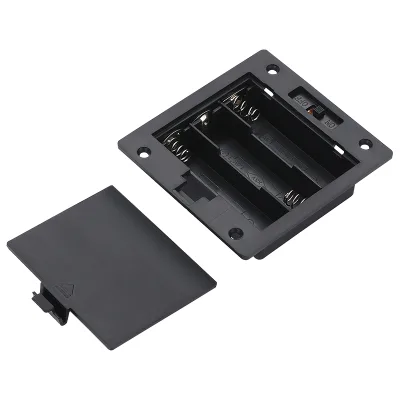
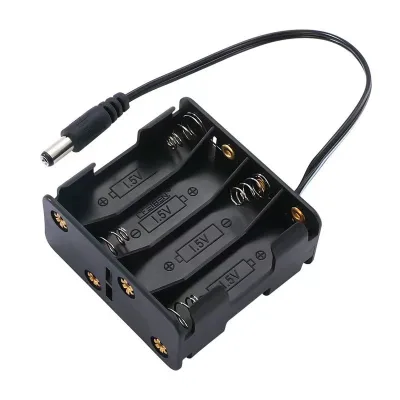
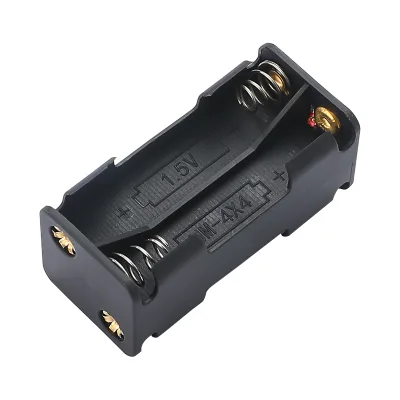
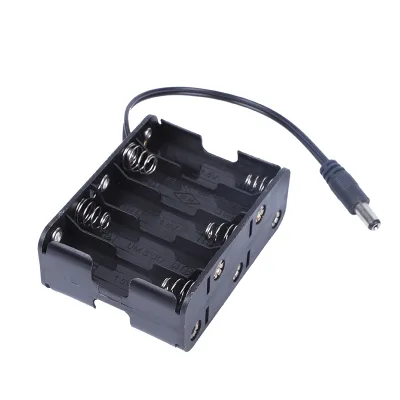
Comprehensive Sourcing Guide
Battery Holder Sourcing Guide
The global market for battery holders presents a diverse array of solutions ranging from single-shock solar chargers to high-discharge lead-acid systems designed for heavy-duty applications. Buyers must navigate a complex landscape where products like the Fbele Fbcb1136 offer specific lithium-ion charging capabilities, while other listings support electric bicycles, buses, and UPS systems with varying voltage requirements. Understanding these distinct categories is essential before initiating any procurement process, as the intended application dictates the necessary technical specifications and safety standards.
Sourcing decisions should be grounded in the specific electrical characteristics observed in current listings, such as nominal voltages spanning from 1.2V to 48V and compatible battery types including AAA, AA, and lithium-polymer variants. Procurement teams must verify whether a supplier offers customization services, as many manufacturers provide tailored solutions for different socket types, such as those required for Italy or Brazil. This initial market scan ensures that the selected battery holder aligns with the operational needs of the end product, whether it is a consumer tablet, a laptop, or a large-scale industrial power unit.
Product Scope and Observed Listing Signals
Current market data indicates a wide price range from 0.01 to 7.99 USD, reflecting the variability in product complexity and material composition. Buyers should expect Minimum Order Quantities to fluctuate significantly between 1 unit for single-item testing and 1000 units for bulk industrial deployment. The observed listings include diverse charging principles, such as half-bridge and single-shock mechanisms, which directly influence the efficiency and reliability of the power delivery system for the specific battery chemistry involved.
The physical attributes of these holders vary considerably, with some units designed for flat battery shapes and others accommodating standard cylindrical cells. Packaging standards are generally consistent, with most suppliers utilizing standard export cartons to ensure safe transit, though some listings note specific packing variations. It is critical for buyers to distinguish between products labeled as recyclable and those marked as non-recyclable, as this impacts long-term sustainability goals and regulatory compliance in various international markets.
Technical Specifications to Verify
Technical due diligence requires a rigorous verification of nominal voltage and discharge rates to ensure compatibility with the target device. Listings show specific models supporting 12V, 48V, and 1.2V systems, each requiring distinct internal circuitry and connector configurations. Buyers must confirm that the charger style, whether USB, timer, or electric, matches the power source availability and the charging protocol required by the battery chemistry, such as lithium-ion or lead-acid, to prevent damage or inefficient charging cycles.
Model numbers and part identifiers serve as the primary reference for technical consistency across different supplier batches. Specific identifiers like FBCB1144, FBBC1134B, and 6170 indicate unique design iterations that may feature different electrolyte types or installation methods. Procurement teams should cross-reference these model numbers against the intended application, such as lighting, electric power, or transportation, to ensure the selected unit possesses the necessary discharge rate and shape compatibility for the specific use case.
Compliance and Safety Documentation
Safety compliance is a non-negotiable aspect of battery holder procurement, with a wide array of certifications available in the current market. Verified listings often include CE, UL, CB, TUV, RoHS, CTIA, PSE, KC, GOST-R, and SASO certifications, indicating adherence to rigorous international safety and environmental standards. Buyers must request valid certificates for each specific model to ensure that the product meets the regulatory requirements of the destination market, particularly for applications involving high voltage or mobile devices.
Environmental standards such as RoHS are frequently cited, but buyers should verify the specific scope of these certifications to confirm the absence of hazardous substances. While some background knowledge suggests standards like UL 9540 or UL 94, these should only be referenced if explicitly supported by the supplier's documentation for the specific product model. Ensuring that the product origin, whether from Ningbo or Guangdong, aligns with the certified manufacturing processes is vital for maintaining supply chain integrity and product safety.
Cost Drivers and Commercial Terms
Pricing in the battery holder sector is heavily influenced by the complexity of the charging principle and the specific battery chemistry supported. Products featuring advanced features like single-shock charging or high discharge rates for lead-acid batteries typically command different price points compared to standard USB chargers for AA or AAA cells. Buyers should analyze the cost structure relative to the observed MOQ ranges, as larger orders often unlock better unit economics but require significant upfront capital and storage capacity.
Commercial terms such as delivery details and packing specifications play a crucial role in the total cost of ownership. A standard lead time of 15 days is common, but this can vary based on customization requirements and the specific model number ordered. Procurement teams must account for the cost of standard export cartons and any additional packaging needs, ensuring that the final landed cost includes all logistical expenses while maintaining the structural integrity of the product during transit.
Supplier Qualification and Quality Control
Supplier qualification begins with verifying the brand reputation and the specific manufacturing capabilities indicated by the product origin. Brands like Fbele and Chipskey appear in the market, each offering distinct model numbers and customization options that reflect their specific engineering strengths. Buyers should assess the supplier's ability to provide consistent quality across different batches, particularly when dealing with complex components like lithium-polymer batteries or lead-acid systems that require precise electrolyte management.
Quality control protocols must be established to ensure that every unit meets the specified standards before shipment. This includes verifying the installation method, which is often packaged, and confirming that the product matches the declared specifications for socket type and compatible battery types. Regular audits of the manufacturing process in regions like Ningbo or Guangdong can help identify potential deviations in production that might affect the performance or safety of the battery holders in the field.
Long-Term Procurement Checks
Sustainable procurement requires ongoing monitoring of the recyclability status and the long-term availability of spare parts for the battery holders. While some products are explicitly marked as recyclable, others are non-recyclable, which impacts the end-of-life strategy for the equipment. Buyers should establish a clear plan for managing waste and ensuring that the supply chain supports circular economy principles, particularly for high-volume applications in transportation and industrial power sectors.
Future-proofing the supply chain involves maintaining a relationship with suppliers who can adapt to changing standards and technological advancements. As regulations evolve, the ability of a supplier to update their certifications, such as adding new safety marks or adjusting to new environmental standards, will be critical. Procurement teams should regularly review the product portfolio to ensure that the selected battery holders remain compatible with emerging battery technologies and continue to meet the operational demands of the end users.
FAQs
What battery types are compatible with these holders?
These holders support various battery types including AAA, AA, Lithium Ion, Li-Polymer, and Lead-Acid batteries. The specific compatibility depends on the model number and nominal voltage requirements. Users should verify the physical size and electrical specifications to ensure proper fit and safe operation for their intended electronic device application.
Can I customize the battery holder design?
Yes, customization is available for these battery holders to meet specific project needs. Buyers can request modifications to accommodate unique battery configurations or integration requirements. This service allows for tailored solutions that align with particular product designs, ensuring optimal performance and seamless integration into final electronic assemblies or devices.
What certifications do these battery holders have?
These battery holders hold multiple international certifications including CE, UL, CB, TUV, RoHS, CTIA, PSE, KC, GOST-R, and SASO. These certifications ensure compliance with global safety and environmental standards. Buyers can rely on these credentials for regulatory approval in various markets, facilitating smoother import processes and broader market acceptance.
Where are these battery holders manufactured?
These battery holders originate from Ningbo and Guangdong, China. The manufacturing locations ensure access to established supply chains and production capabilities. Buyers can expect consistent quality and reliable delivery schedules from these regions, which are known for their robust electronics manufacturing infrastructure and efficient logistics networks supporting global export requirements.
What is the typical lead time for orders?
The typical delivery detail for these battery holders is 15 days. This lead time applies to standard orders and may vary based on quantity and customization needs. Buyers should plan their procurement schedules accordingly to ensure timely receipt of goods. Early communication with suppliers can help manage expectations and coordinate logistics effectively.
Are these battery holders recyclable?
Recyclability varies by specific model, with some being recyclable and others non-recyclable. Buyers should check the product properties for each model to determine its end-of-life handling. This information is crucial for sustainable procurement practices and compliance with environmental regulations. Selecting recyclable options can support corporate sustainability goals and reduce environmental impact.